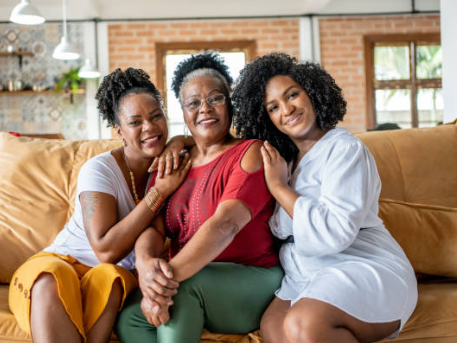
As Black women, our emotional blueprint has been shaped not just by personal experiences, but by centuries of generational trauma, survival, and strength. From the historical rupture of slavery that tore families apart, to the often-silenced emotional needs of Black girls growing up in households where survival was prioritized over tenderness—many of us inherited attachment patterns that were never ours to begin with.
But the beauty of healing in community—especially within sacred spaces like Booked and Bougie—is that we get to interrupt those patterns. We get to choose something new. We get to create relationships rooted in security, softness, and soul-level connection.
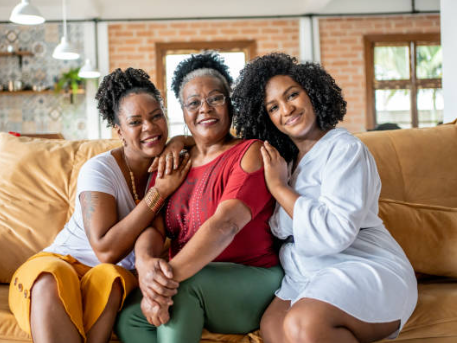
What Are Attachment Styles?
Attachment styles are the emotional habits we form in response to how our caregivers treated us—especially in moments of stress, fear, or vulnerability. These habits often carry over into our adult relationships—romantic, familial, platonic, and even professional.
Understanding your attachment style isn’t about blaming the past. It’s about reclaiming the power to create a future that feels safe, connected, and whole.
Let’s explore the four attachment styles through the lens of our lived experience as Black women—and how we can shift toward a secure style in community.
1. Avoidant Attachment
Rooted in: Emotional suppression as survival. Many of our ancestors and elders were taught not to show emotion as a form of strength—because to feel was to risk danger. This legacy taught many of us to self-isolate and depend on no one.
How it shows up: You pride yourself on independence. You may struggle with vulnerability, dislike asking for help, or feel overwhelmed when others express emotional needs.
Shift toward secure attachment:
- 💬 Practice receiving support: When a friend offers to help or check in, let her. Even just saying “thank you” and sitting in that space builds your capacity for connection.
- 🧠 Name your needs: In forums or meetups, challenge yourself to name a need—emotional, spiritual, or logistical. You’re not a burden; you’re human.
- 🧘🏾♀️ Engage in co-regulation: Join events that foster calm, communal energy—spa days, quiet brunches, book clubs. Let your nervous system learn safety in others’ presence.
2. Anxious Attachment
Rooted in: Inconsistent caregiving, often due to parents who were emotionally unavailable, working multiple jobs, or emotionally burdened themselves. This legacy creates hyper-vigilance and a deep fear of being abandoned.
How it shows up: You overthink texts, feel panicked if someone pulls away, or bend yourself backwards to keep people close—even when it hurts.
Shift toward secure attachment:
- 📆 Create consistent connection: Attend at least one meetup or event per month. Familiar faces and routines soothe your nervous system and build a sense of belonging.
- 📝 Use journaling to self-soothe: Before reaching out in fear, pause and write. Remind yourself you are safe, loved, and not being abandoned.
- 💞 Ask for reassurance without shame: In our community, it’s okay to say, “I just needed to know someone was here.” Watch how that need is held with care.
3. Disorganized Attachment
Rooted in: Generational trauma, abuse, or neglect. This style often develops in households where love and fear were intertwined—where caregivers were both sources of comfort and danger.
How it shows up: You crave closeness but also fear it. You may sabotage good relationships, mistrust people’s intentions, or dissociate during intimacy.
Shift toward secure attachment:
- 🪞 Mirror healthy relationships: Spend time with Booked and Bougie sisters who model calm, steady love. Observe their boundaries and self-worth in action.
- 🔄 Reframe rupture: If conflict arises, don’t flee. Use it as a chance to repair. “I felt triggered, but I want to talk through it” is a powerful bridge.
- 🔐 Use grounding tools: Attend events that engage your senses (dance classes, cooking workshops). Your body is a map back to safety.
4. Secure Attachment
Rooted in: Consistency, emotional attunement, and a sense of safety in early bonds. For many Black women, this may not have been our start—but it can be our destination.
How it shows up: You trust others and yourself. You communicate needs clearly, enjoy intimacy without fear, and can navigate boundaries without guilt.
To stay rooted in secure connection:
- 🌱 Lead with softness: Be the presence others feel safe with. This is how we become the aunties and sisters we once needed.
- 🧩 Give grace to others’ healing: In community, you may encounter people still in their anxious or avoidant phase. Model what it means to be safe—not perfect.
- 🫶🏾 Celebrate emotional courage: Affirm your growth. The more you practice secure behaviors, the more others around you will feel safe to grow too.
Your Healing Is Revolutionary
As Black women, healing our attachment styles isn’t just self-help—it’s legacy work. Every time we choose softness over shutting down, every time we stay instead of running, every time we let ourselves be loved—we are healing what was never meant to be ours to carry.
And the beauty is: you don’t have to do it alone. Inside Booked and Bougie, you’ll find women walking the same path—unlearning, reconnecting, and practicing secure love in real time.
This week, as we explore attachment styles across our platforms, may you feel seen, understood, and most importantly—held.
Welcome home.
 Black Girls Living Lavishly
Leave a comment